A Strong Start: Early Childhood Development Support Methods
The early years of a child’s life are filled with quiet discoveries — tiny hands exploring textures, curious eyes observing the world, and growing minds asking unspoken questions. During this stage, Early childhood development support plays a vital role in shaping not just what children learn, but how they feel about learning itself.
At Montessori at the Park, kids unfold at their own pace. Tucked inside a calm neighborhood made for young ones, it mixes classroom moments with nature walks - so each day links discovery of the world with knowing who they are.
Creating Strong Foundations Through Early Childhood Development Support
Rapid brain growth in early years forms lifelong connections for learning, behavior, and emotions—that's where early childhood development support shines.
Instead of rushing children through milestones, Montessori environments encourage:
-
Hands-on exploration of the environment
-
Learning at each child's pace
-
Meaningful repetition of experiences
-
Real-world skill development.
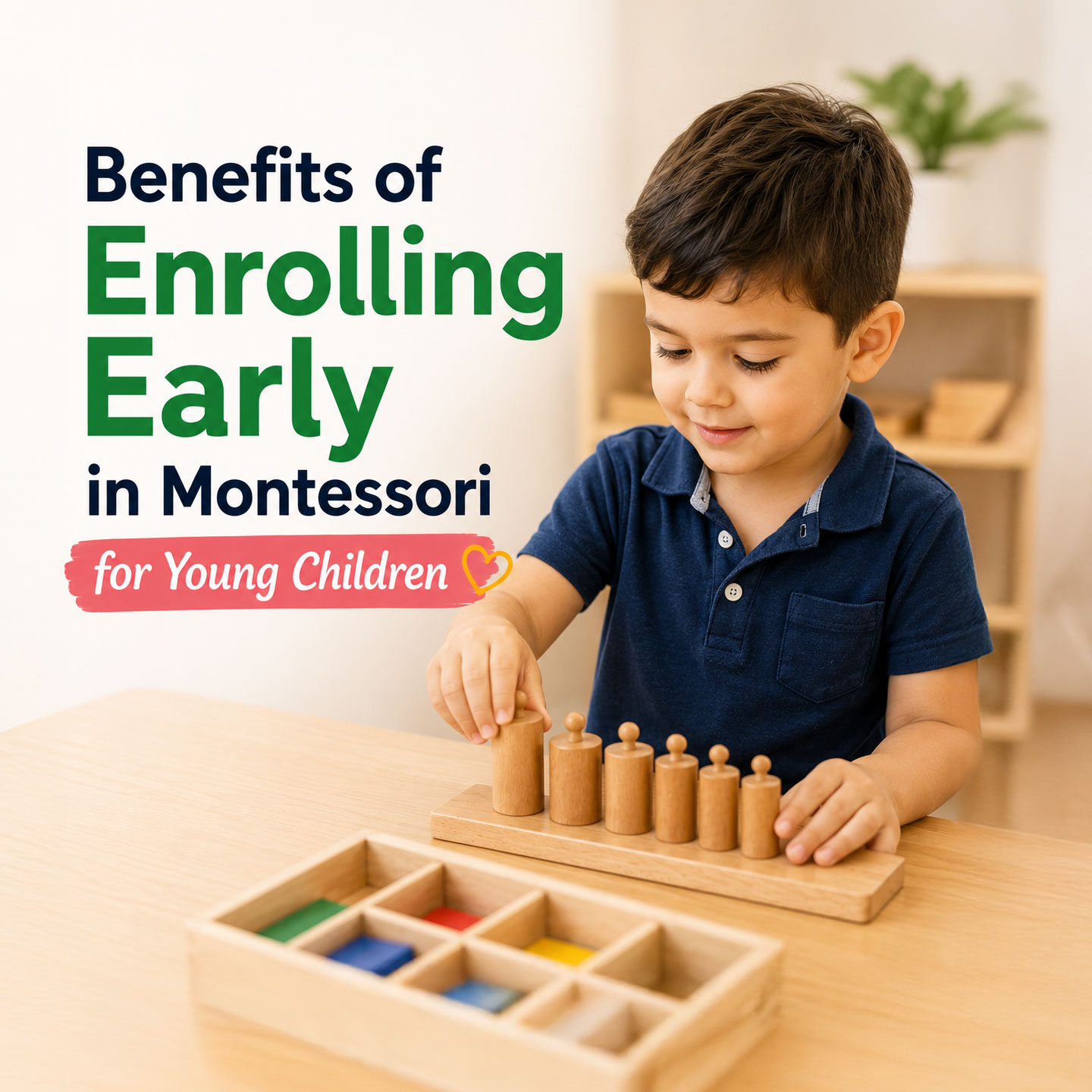
At Montessori at the Park, children engage in practical life activities like pouring, sorting, and organizing. These simple yet powerful experiences strengthen concentration, coordination, and independence — all key elements of Early Childhood Development Support.
Learning Beyond the Classroom Walls
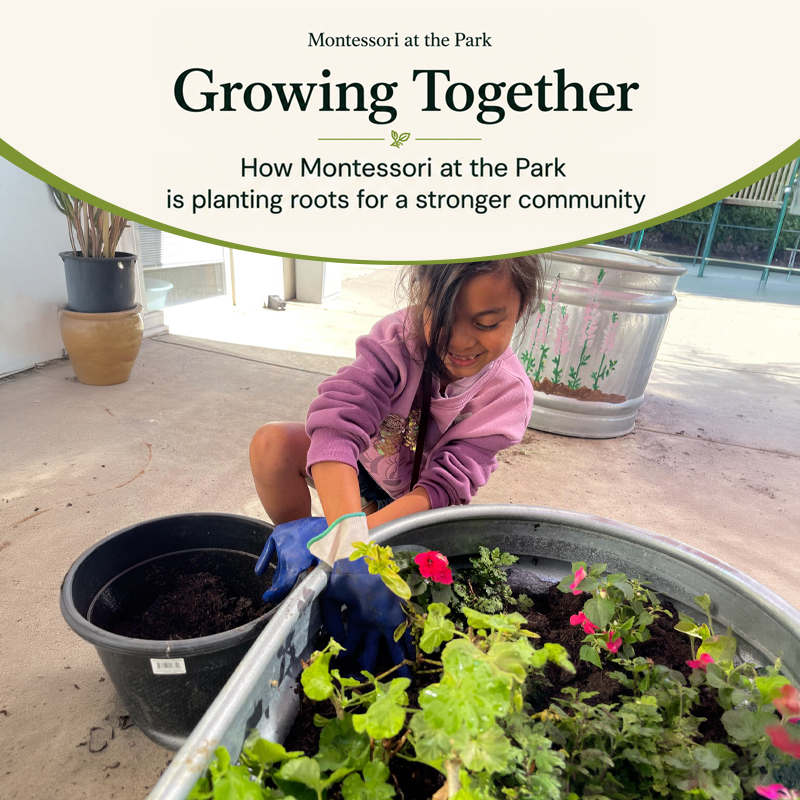
Most children don't realize how much nature shapes their minds. Still, books and classes aren't the only way to grow - wild wind, falling branches, and dirt underfoot matter too. At Montessori at the park, outdoor time isn't extra; it's built into every day. Kids trace leaf edges, catch breeze patterns, and wander without direction.
Such meaningful interactions are a vital part of Early Childhood Development Support, helping children develop both physically and emotionally.
A Place Where Children Feel Valued
Every kid has a right to be acknowledged, listened to, and respected for who they are. At Montessori at the Park we don't compare kids, but we respect them as individuals.
This supportive environment encourages:
-
Children are encouraged to express emotions
-
Children are able to connect socially with one another
-
Children are developing the skills needed to solve problems
-
Children learn to respect others
When children feel safe and valued, learning becomes joyful and natural.
How Early Childhood Development Support Encourages Independence
Most children don't need constant fixing, they thrive when given room to figure things out. Even though adults often push solutions, children end up doing better when left to decide what to do. As it happens, Montessori spaces rarely shout directions; instead, quiet nudges let kids pick their work. They act on it themselves, gaining skills through trial and error.
Via observation, our teaching staff will observe only if they feel a child's need for guidance is significant enough to support their child's developing independence. By providing this kind of attentive observation, children can be self-constructive and learn to have faith in themselves.
The Beginning of a Beautiful Learning Journey
At Montessori at the park, kids grow through hands-on learning and connection to nature. The school builds independence and lets children explore freely. Families end up woven into a steady, caring group where every kid feels seen. Pretty much everything revolves around real-life skills and calm classroom energy. Connect with us to learn how Montessori at the Park can support your child’s growth.
Frequently Asked Questions
1. Why are early years important for a child’s development?
The early years shape a child’s brain development, emotional well-being, and learning abilities, making them crucial for lifelong success.
2. What makes Montessori education different?
Montessori focuses on child-led learning, hands-on experiences, and fostering independence rather than traditional instruction.
3. How can parents provide Early Childhood Development Support at home?
Parents can encourage independence, provide hands-on activities, and create a calm, supportive environment.
4. What role does confidence play in early education?
Confidence encourages children to try new things, solve problems independently, and develop a positive attitude toward learning.
Top Related Post
Toddler Montessori Program:A Parents Guide to Early Childhood Learning
The early years of a child’s life are filled with quiet discoveries — tiny hands exploring textures, curious eyes observing the world, and growing minds asking unspoken questions. During this stage, Early childhood development support ...
Montessori Daily Routine at Home: Simple Ideas for Parents
The early years of a child’s life are filled with quiet discoveries — tiny hands exploring textures, curious eyes observing the world, and growing minds asking unspoken questions. During this stage, Early childhood development support ...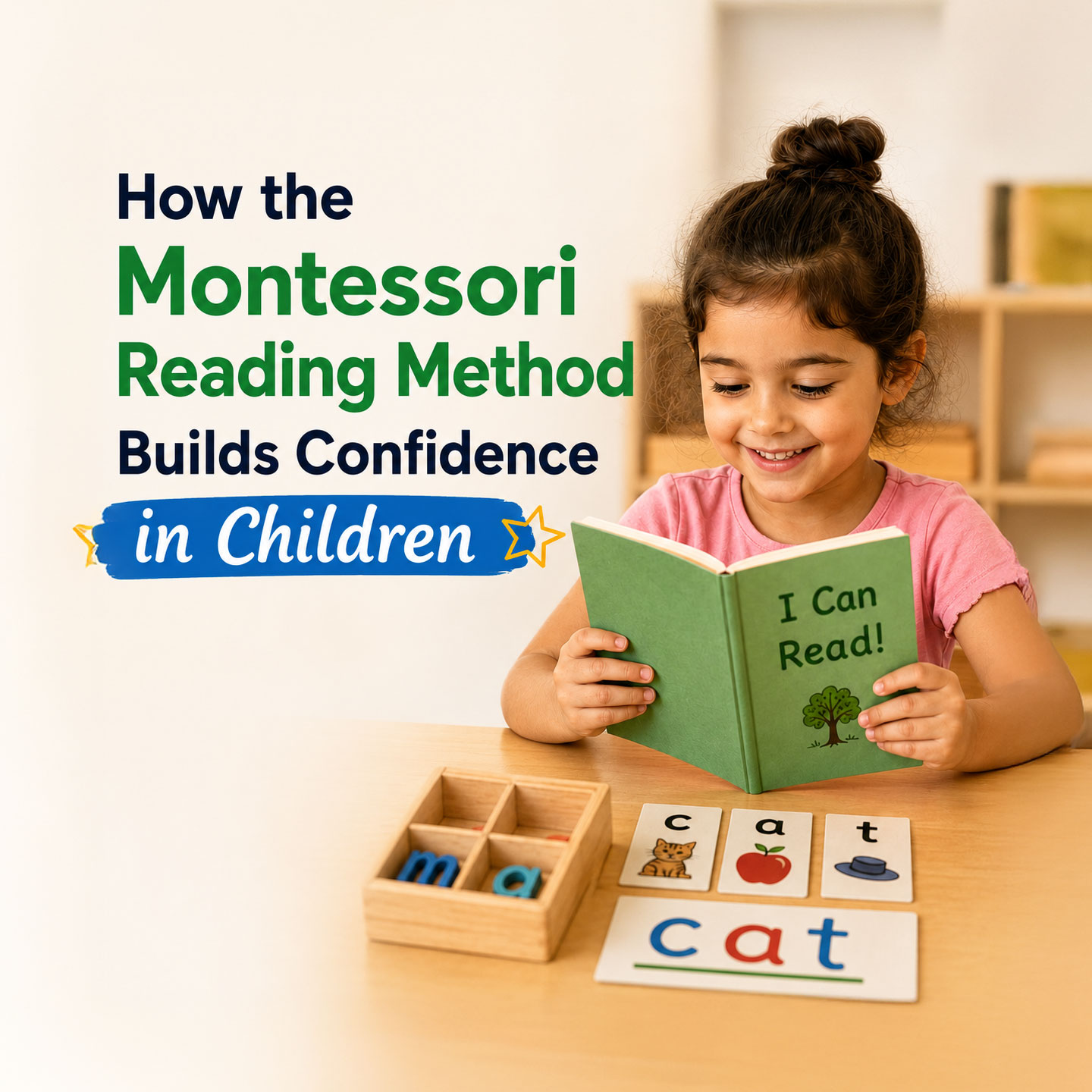
How the Montessori Reading Method Builds Confidence in Children
The early years of a child’s life are filled with quiet discoveries — tiny hands exploring textures, curious eyes observing the world, and growing minds asking unspoken questions. During this stage, Early childhood development support ...